Maisha Vocational Training Centre

Current Course

SYNTROPIC AGROFORESTRY AND AGRIBUSSINESS TRAINING”

The aim is to build a practical, replicable learning model that empowers learners to grow sustainable
farm businesses using regenerative and agro forestry techniques.

The curriculum blends field-based learning with classroom theory, emphasizing step-by-step skillbuilding
and real-life applications

The course graduates from Theory Agriculture, to Practical to sustainability, to Value addition, to Agri
Business planning,Initiation and management

Who qualifies?

Anyone who can read and write/COMPREHEND
Languages used are:

  • Spoken instruction in English,
  • Emphasis and Explanation in Kiswahili, Dholuo; and any other local language
  • Written materials in English
  • Videos in English, Swahili or any language with translation

Training timings

  1. 14-week program, meeting twice weekly
  2. Two 1-week breaks (Week 7 & Week 14)
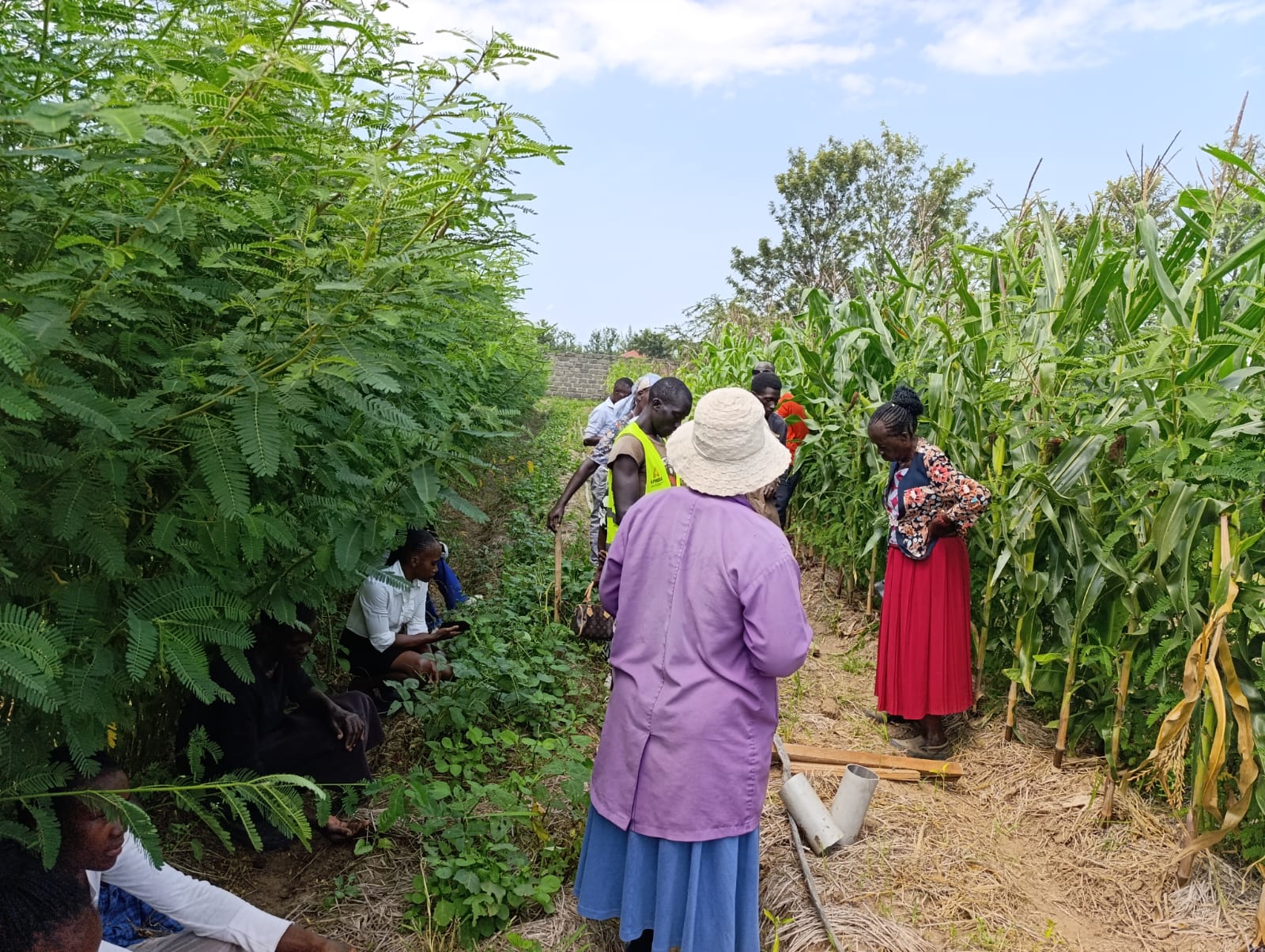
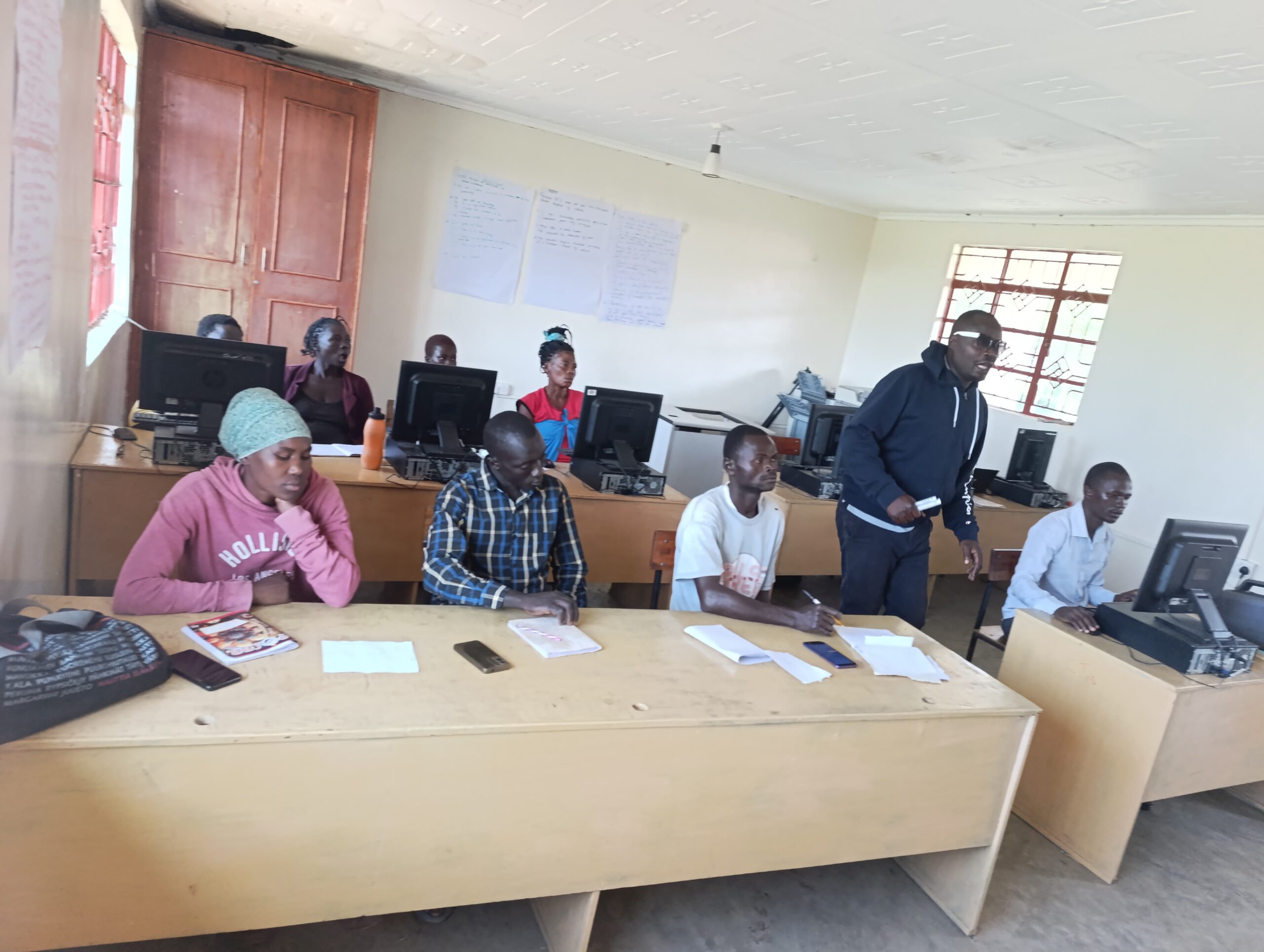
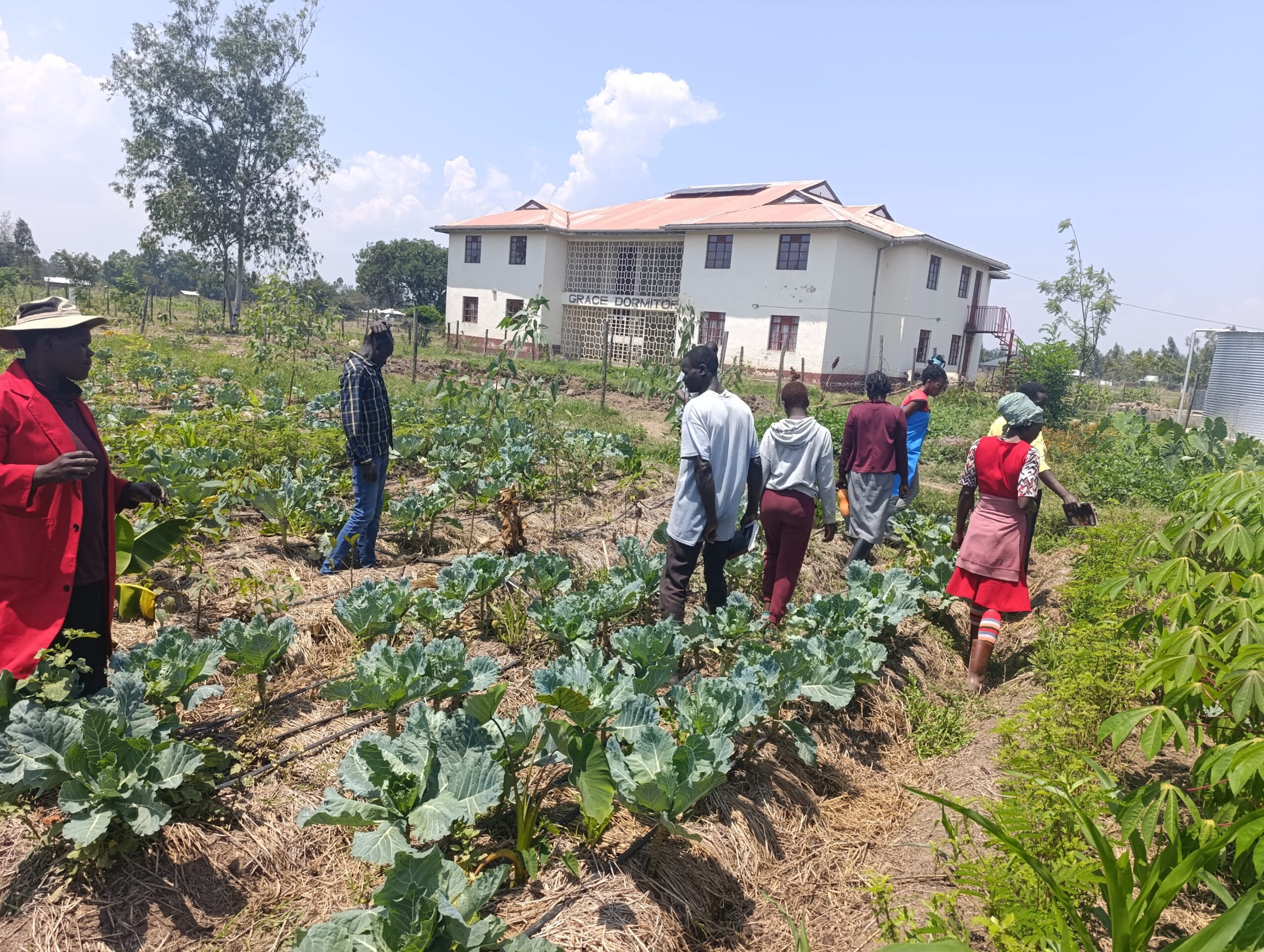
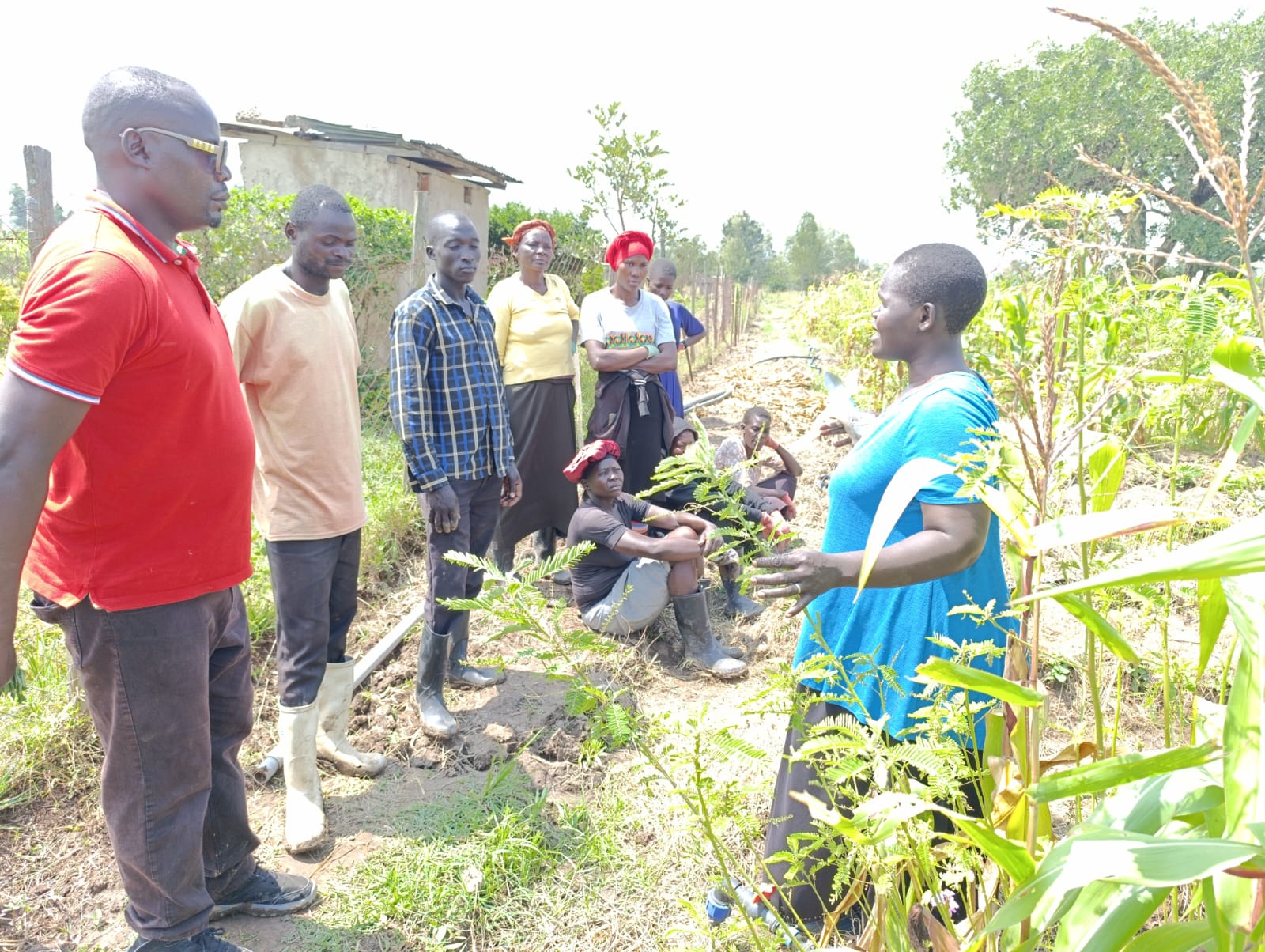
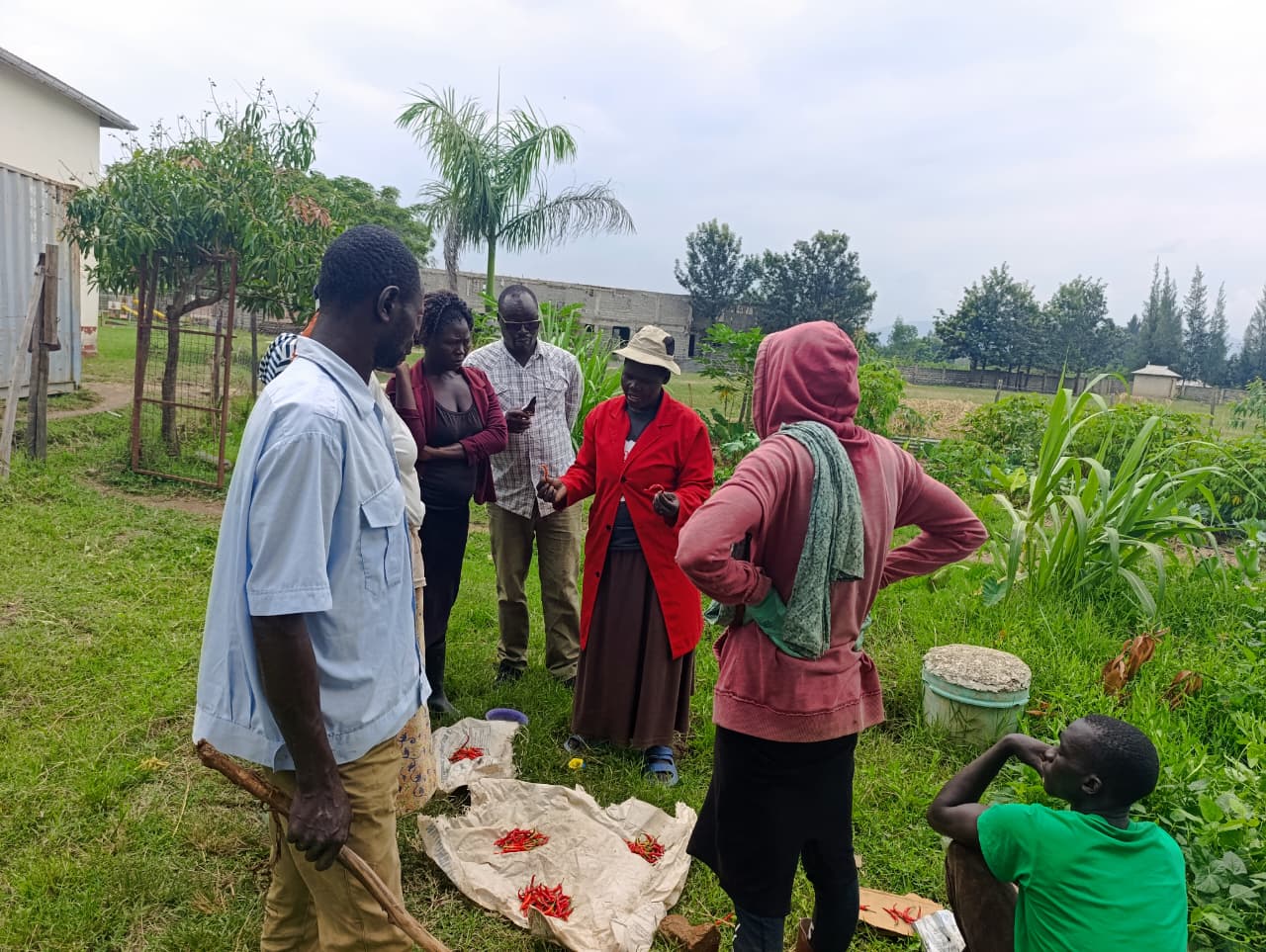
  3. Each training day includes: 2 hours: Practical (Maisha Agroforestry Center)

)2 hours: Theory (Maisha Tech Lab)

(We can insert enough classroom photos and field practical photos

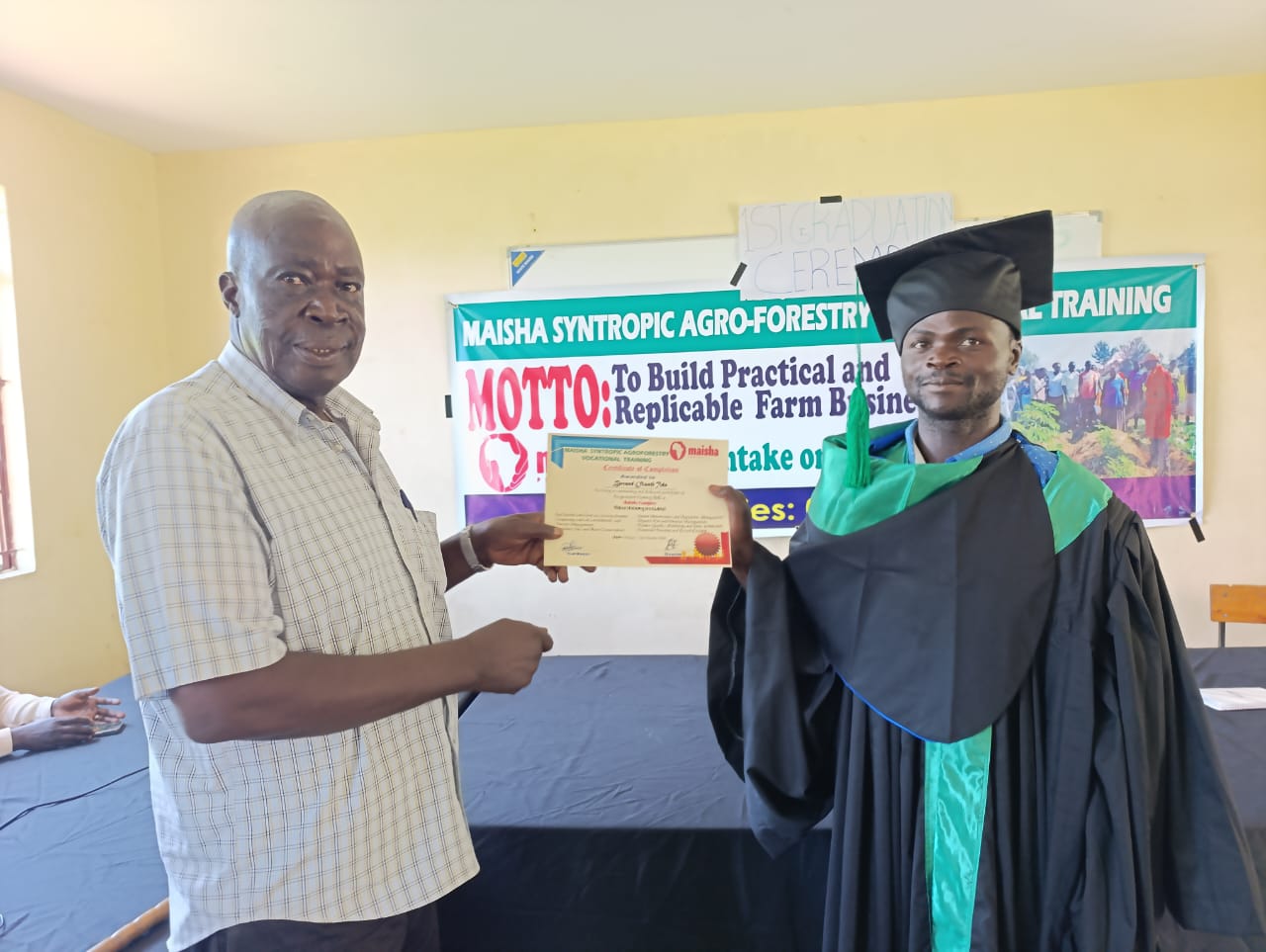
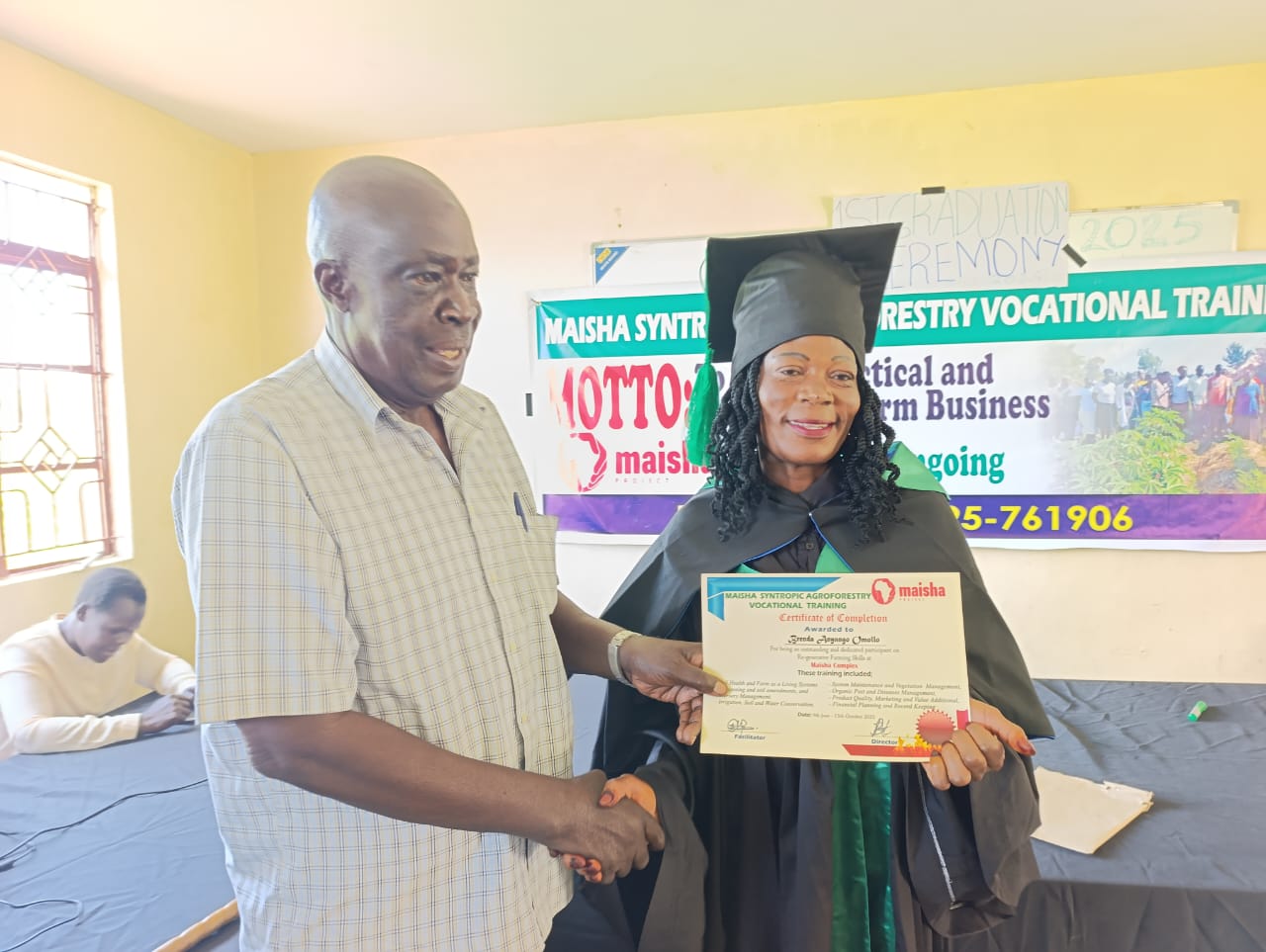
Assessment & Evaluation and certification

  1. Pre-, mid-, and post-assessment to track knowledge and skill growth
  2. Weekly quizzes and practical checklists
  3. Final project: Design and presentation of an agroforestry-based farm and business model

Grading Ideas (Simple & Measurable)

  1. 30% Practical Skills (weekly demonstrations)
  2. 25% Theory Quizzes and Worksheets
  3. 25% Final Project (ag plan + pitch)
  4. 20% Participation and Collaboration

This is what you learn in the 14 weeks

Week 1: Introduction to Agro forestry and Regenerative Farming, Intro to Record keeping-Understanding principles of Regenerative/agroforestry/Agroecology farming

Week 2: Understanding Soil Health and the Farm as a Living System

  • Performing VESS tests, infiltration tests, and basic microbial observation ,Soil sample collection a and comparison(Practicals) , Intro to soil biology and the soil food web,soil fungi etc(theory)

Week 3: Composting & Soil Amendments

  • Practical-Build a compost piles, all possible methods- Practical guides to heating, cooling, and maturing phases
  • Theory -Composting science: carbon-nitrogen ratios, moisture, air Comparing compost to synthetic fertilizer (cost, health, sustainability)

Week 4: Designing Agroforestry Systems

  • Practical -Plot mapping and basic agroforestry layout Spacing and stratification exercise (plant layers and heights)
  •  Theory -Understanding succession and natural forest models Why multi-species systems improve resilience

Week 5: Propagation, Nursery Management & Seedling Care

  • Practical -Seed trays, potting mix preparation, transplanting demos Grafting and cutting propagation overview
  • Importance of traditional varieties
  • Theory -Seed types: open pollinated vs hybrid Germination rates and planning for failures How to time nursery work with rain cycles

Week 6: Irrigation, Mulching, and Water Use

  • Practical -Drip line setup demo
  • Mulching techniques using local materials Low-technology water collection and planning
  • Theory -Water budgeting: How much is wasted? Low-cost water harvesting methods
  • Salinization and risks of poor irrigation design 

Week 7: BREAK WEEK 1

  • Field Observation & Community Interviews Student Assessment and written tests/evaluation

Week 8: Tree Management and System Maintenance

  • Practical -Tree pruning and coppicing, Intercropping and rotation demos on demo plots Pathway and windbreak planning, Value-addition product workshop of forestry systems
  • Theory -Agro forestry tree types and their roles (fertility, fodder, fuel, income) Tree maturity planning: managing time, space, and yields

Week 9: Pest, Disease, and Weed Control

  • Practical -Scouting: signs of stress, insect damage, weed competition Organic control options: ash, neem, traps, etc.
  • Theory -Life cycles: when pests are most vulnerable IPM (Integrated Pest Management) for low-cost control Livestock integration potentials: chickens, goats, cattle

 Week 10: Financial Planning and Enterprise

  • Practical and theory -Tracking income/expenses for a single crop Creating a logbook entry for demo plot work
  • Introduction to enterprise budgeting Understanding inputs, outputs, and margins

Week 11: Marketing, Value Addition, and Product Quality

  • Practical -Practice packaging, grading, and post-harvest handling Storytelling exercise: market your product as if at a stall
  • Theory -What is value addition? Examples in western Kenya Branding and trust in the local market

Week 12: Livelihood Planning and Micro-enterprise

  • Practical -Team brainstorm: income ideas from small landholdings Value-addition methods: drying, pulverizing, fermentation, etc.
  • Theory- Understanding business registration and licensing basics Introduction to local financing options (SACCOs, table banking, mobile loans)

Week 13: Scaling Up and Diversifying

  • Practical -Planning for expansion: how to use more land, people, or ideas ,Second crop planning: intercropping or rotation systems
  • Theory -Diversification strategies: food security, cash flow, resilience Risk: drought, price drops, pests—and how to prepare

Week 14: BREAK WEEK 2 – Final Project Planning & Peer Interviews Student Final Evaluation and presentation.

  1. Create a visual or written business plan for your agroforestry enterprise
  2. Conduct peer interviews to give feedback
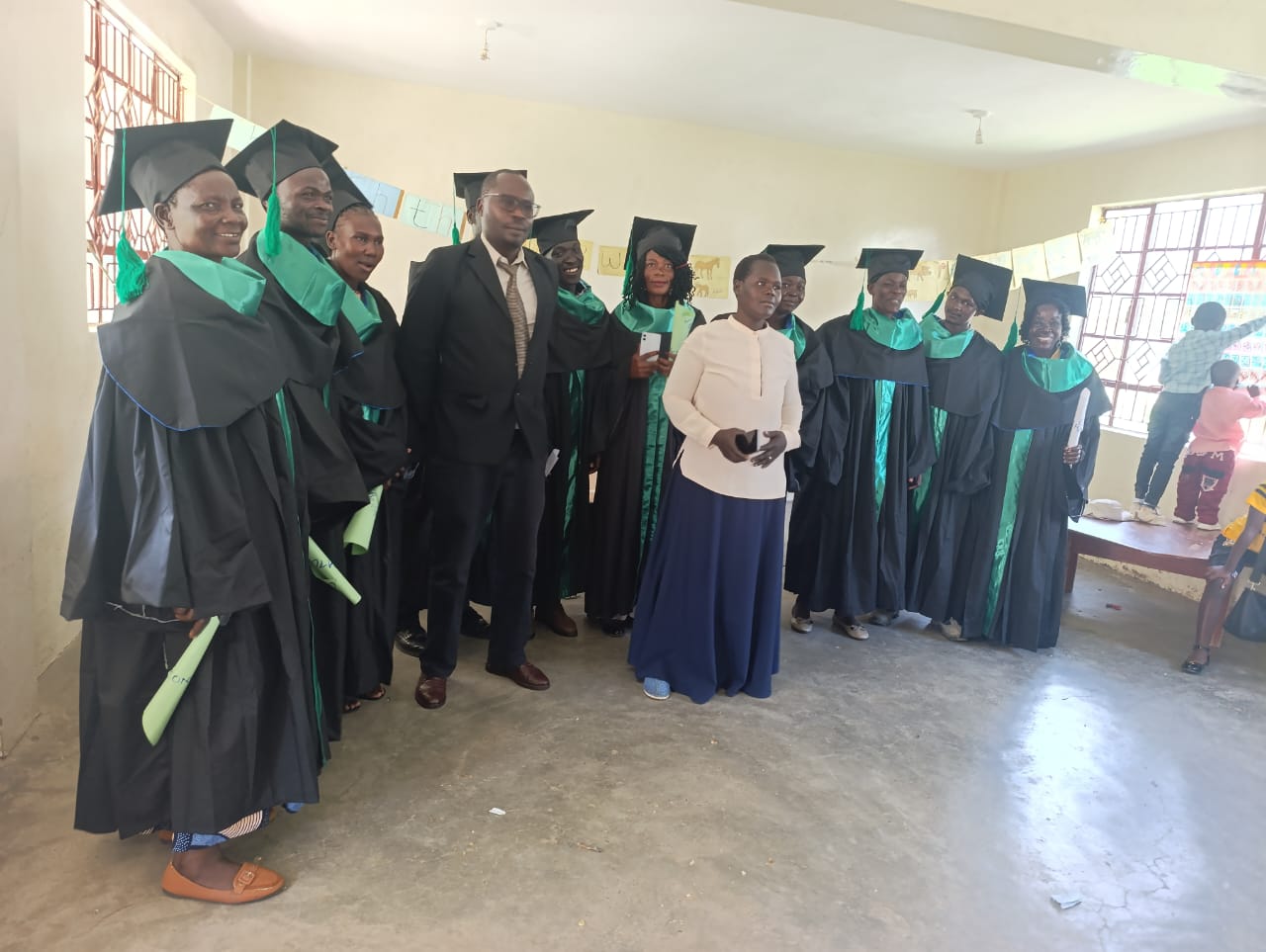
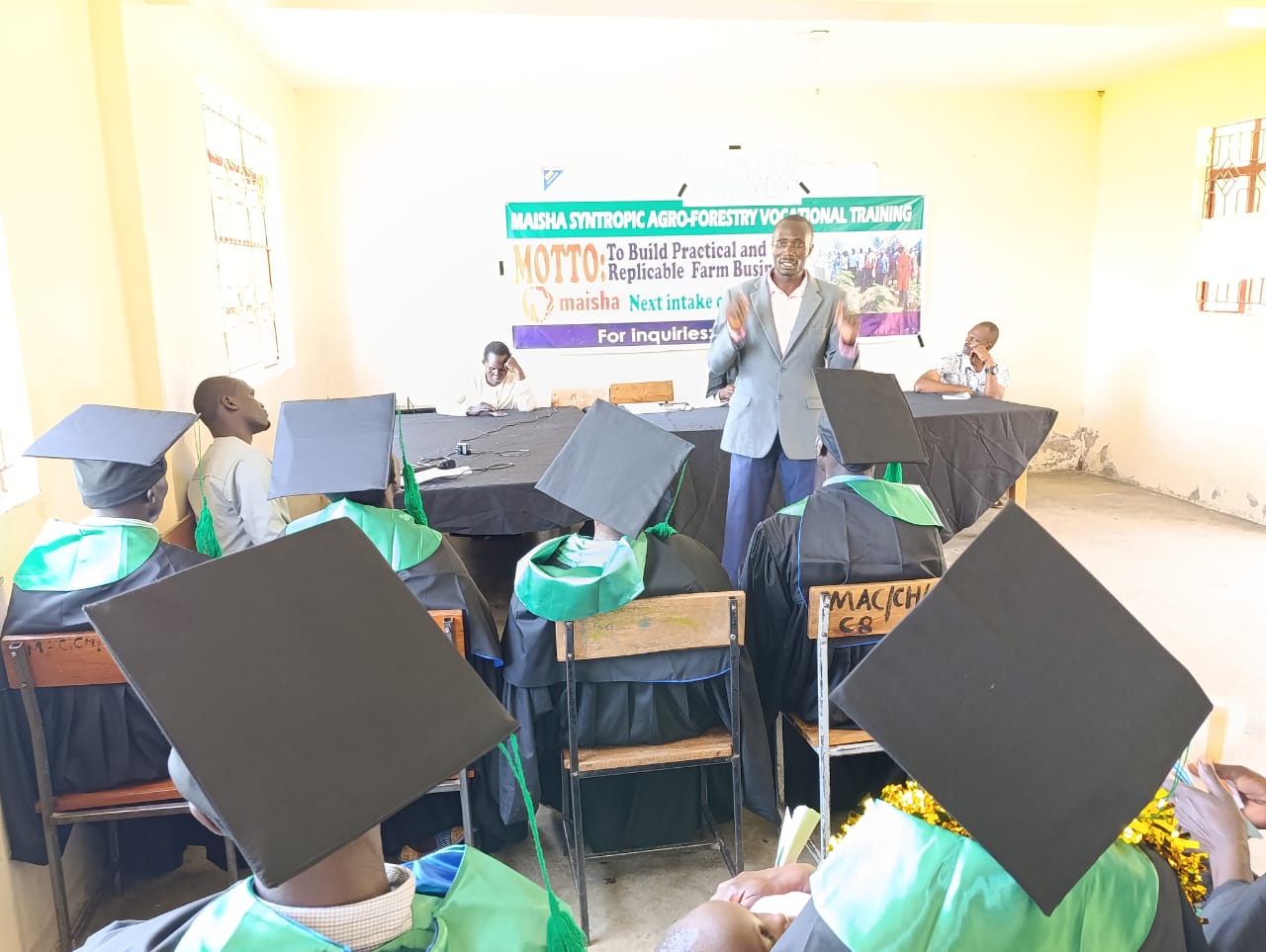
  3. Prepare a 5-minute final presentation or story Certification and Graduation Ceremony follows

    Who qualifies?

    Anyone who can read and write/COMPREHEND