
Syntropic Agroforestry And Agribussiness Training
Start your Agroforestry Design Business With this practical Course at Maisha Vocational training centre this Cohort
GET MORE INFO
Who qualifies?
Anyone who can read and write/COMPREHEND
Languages used are:
- Spoken instruction in English,
- Emphasis and Explanation in Kiswahili, Dholuo; and any other local language
- Written materials in English
- Videos in English, Swahili or any language with translation
Training timings
- 14-week program, meeting twice weekly
- Two 1-week breaks (Week 7 & Week 14)
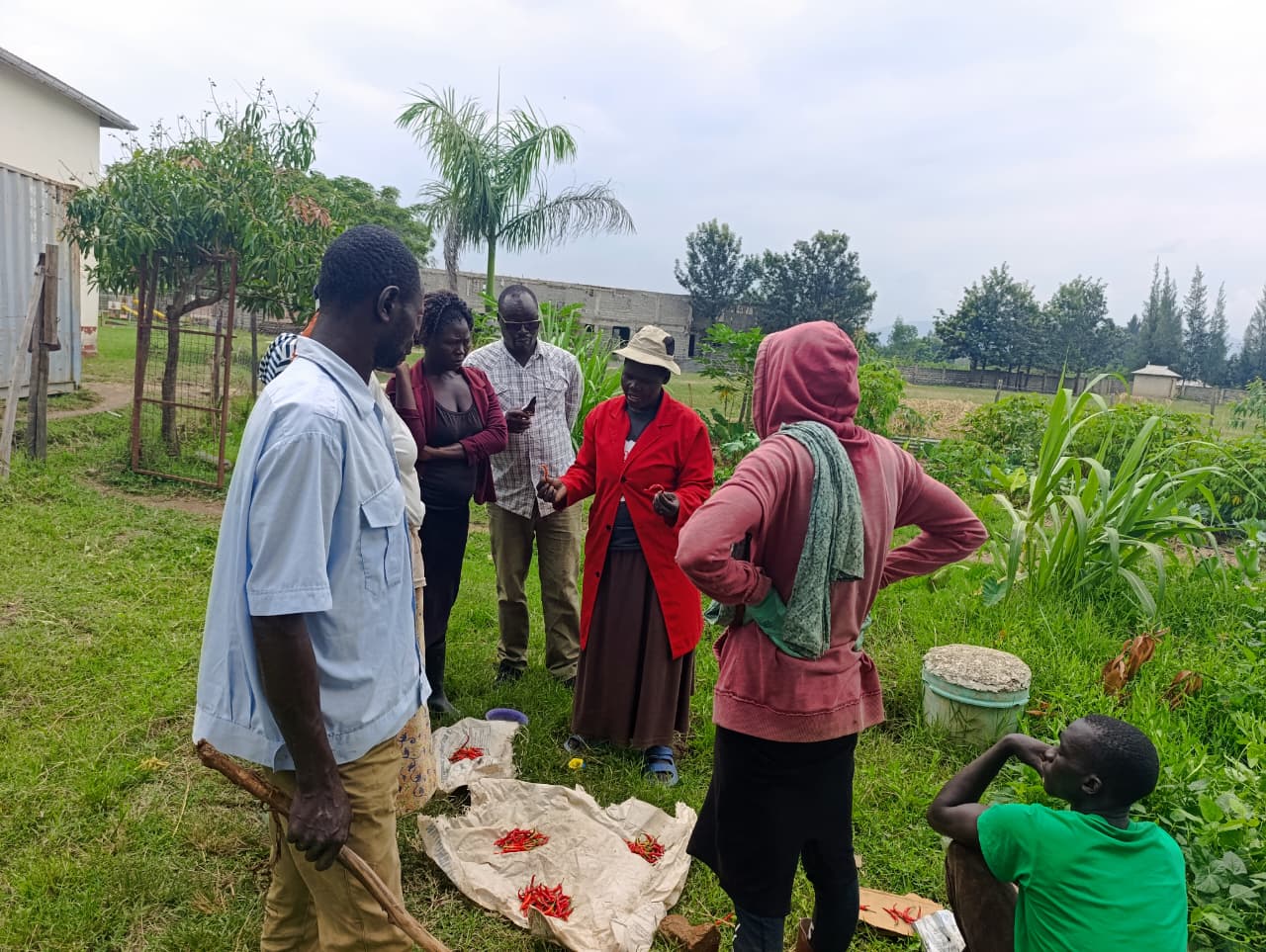
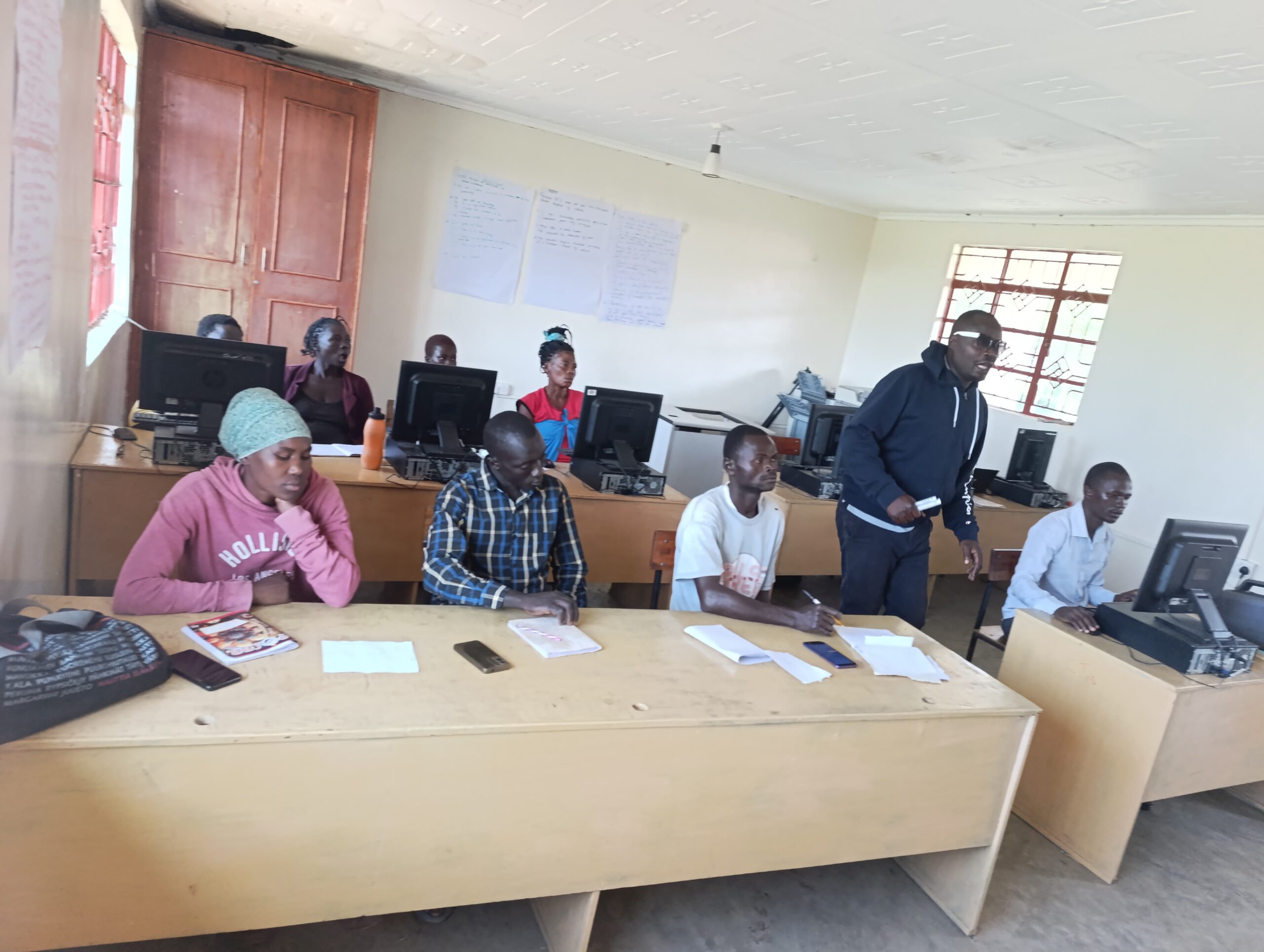
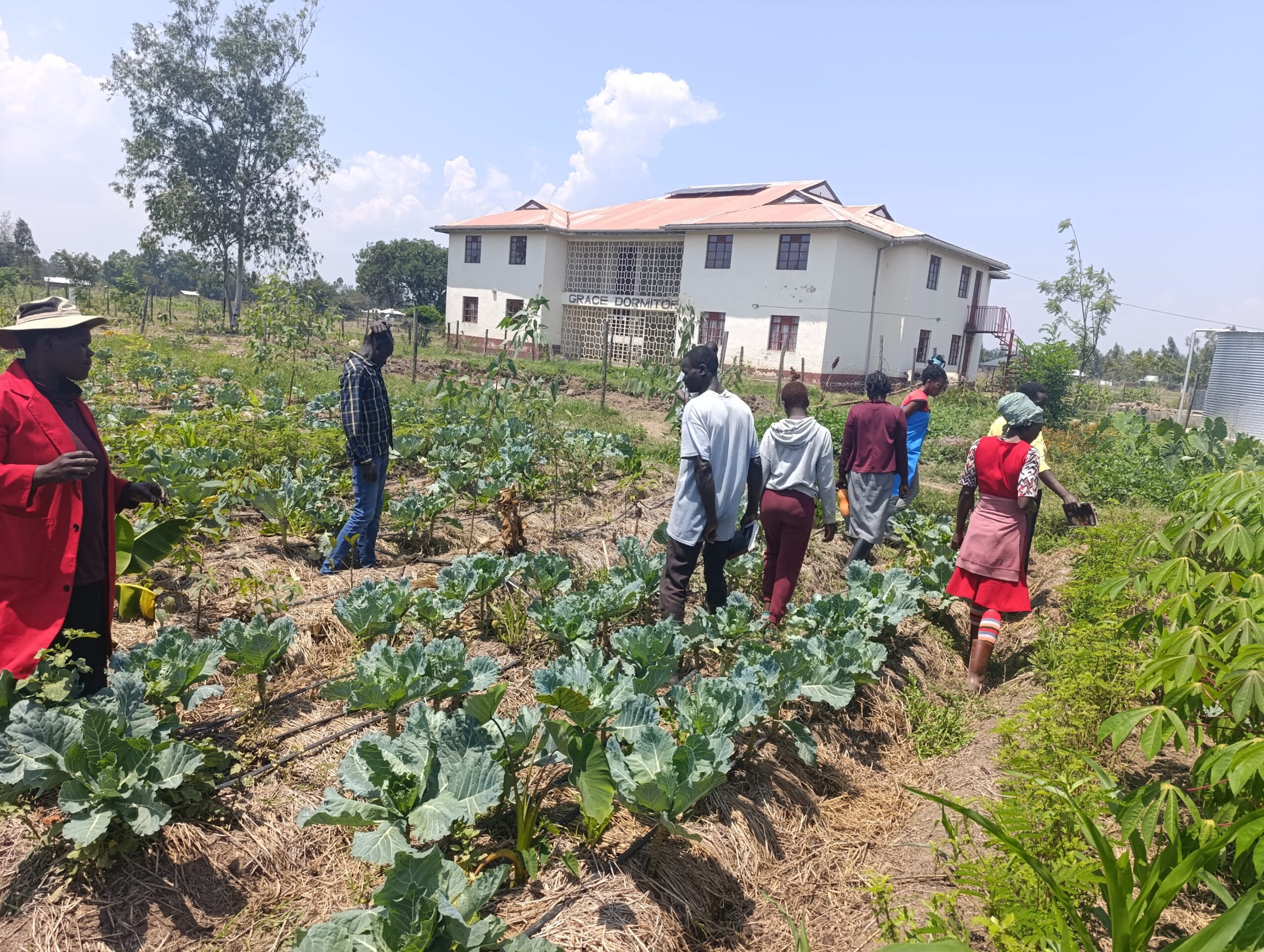
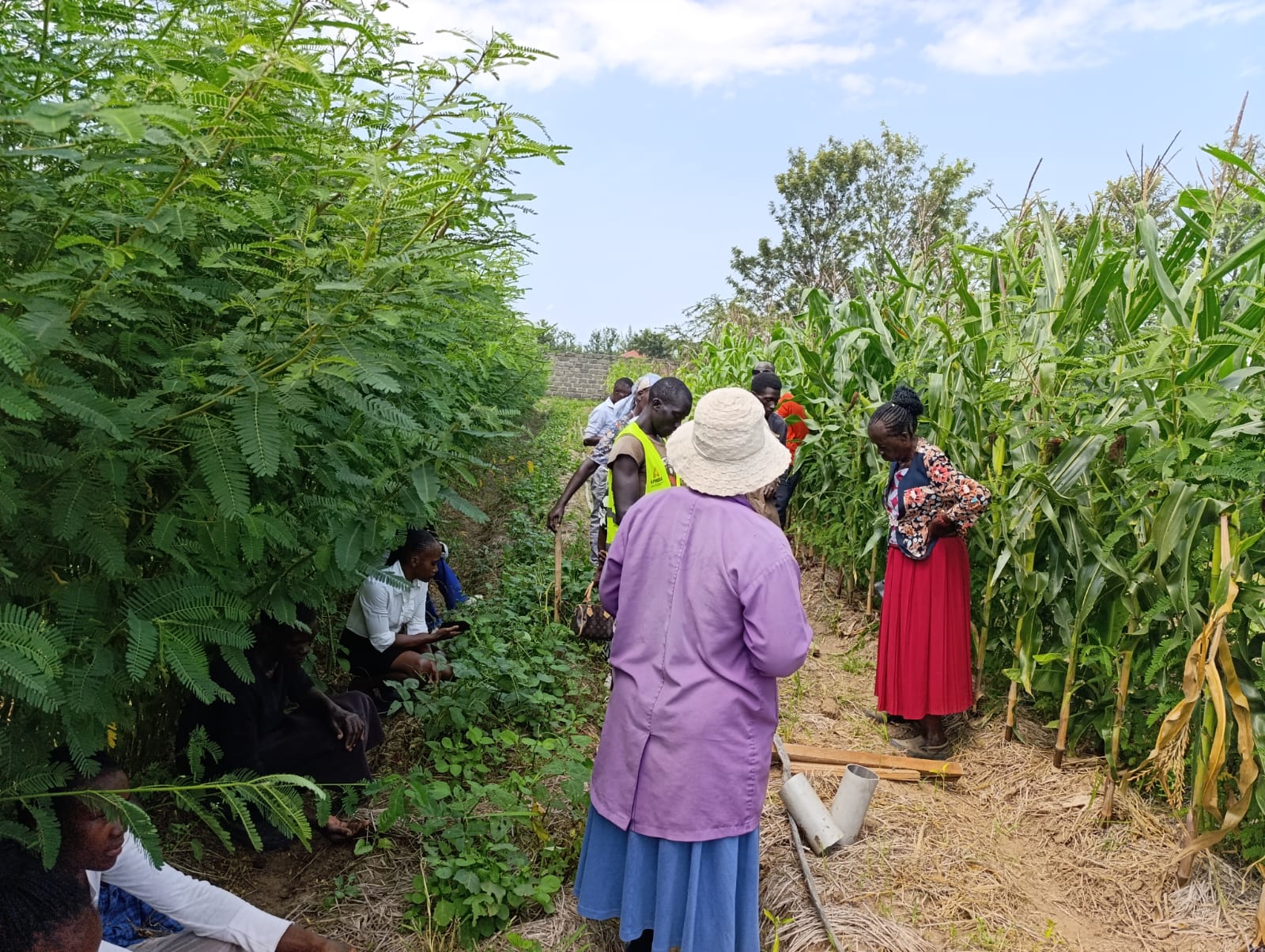
- Each training day includes: 2 hours: Practical (Maisha Agroforestry Center)
)2 hours: Theory (Maisha Tech Lab)
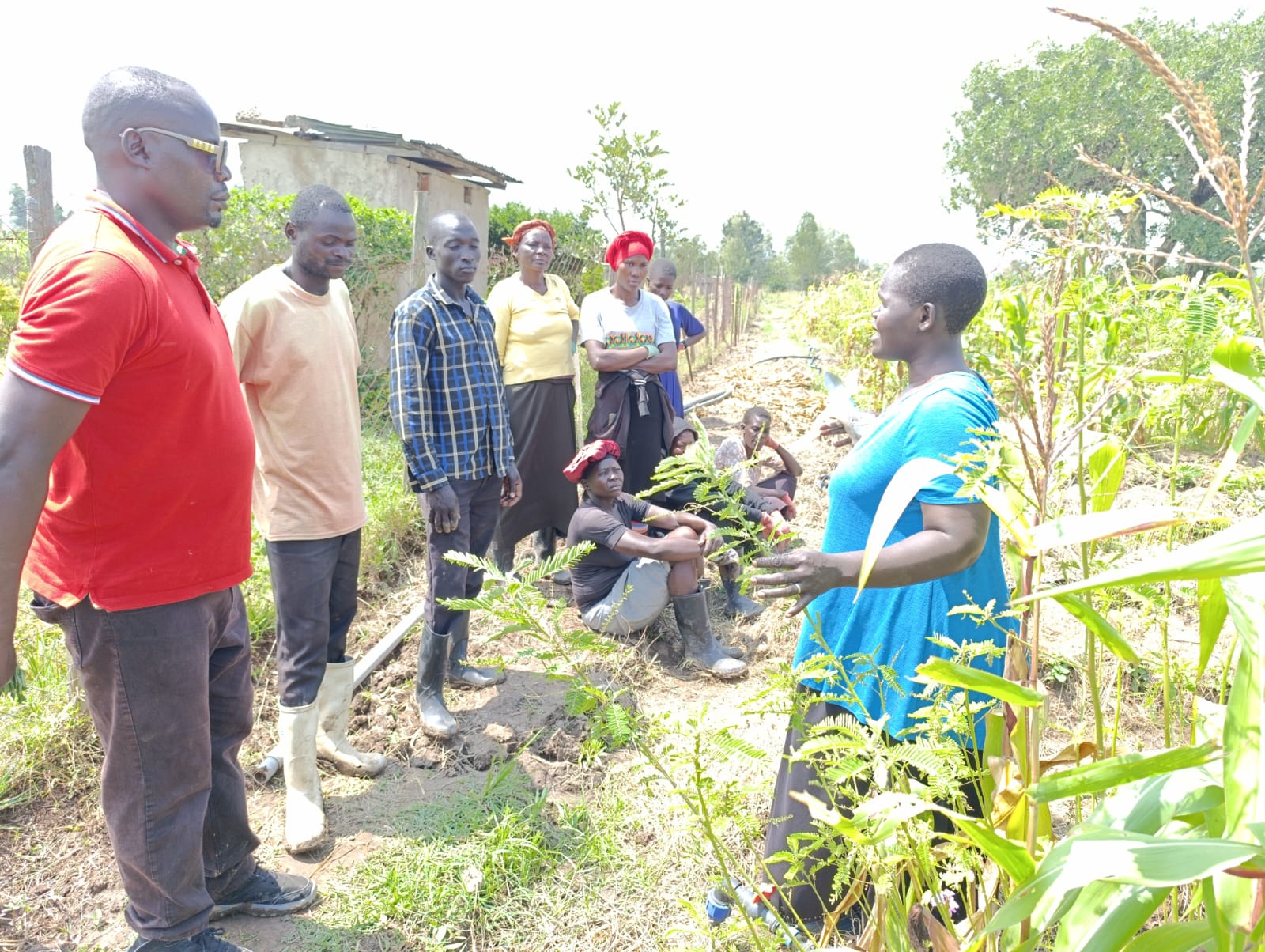
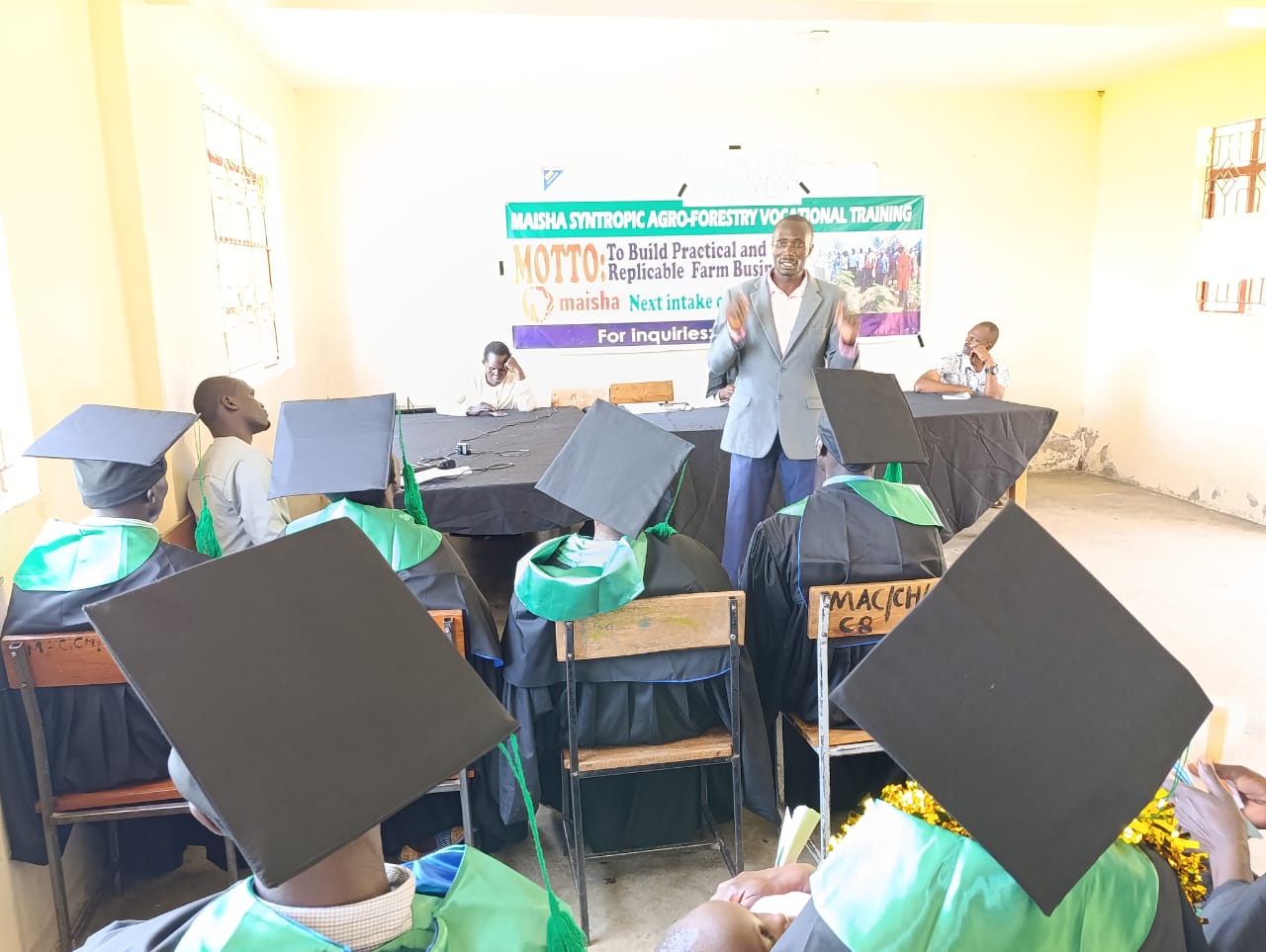
(We can insert enough classroom photos and field practical photos
Cost
ksh. 35,000
2026 Curse Dates
June 9 - September 9, 2026
September 29 - December 23, 2026
Assessment & Evaluation and certification
- Pre-, mid-, and post-assessment to track knowledge and skill growth
- Weekly quizzes and practical checklists
- Final project: Design and presentation of an agroforestry-based farm and business model
Grading Ideas (Simple & Measurable)
- 30% Practical Skills (weekly demonstrations)
- 25% Theory Quizzes and Worksheets
- 25% Final Project (ag plan + pitch)
- 20% Participation and Collaboration
Career Pathway:
- Agroforestry Technician
- Farm or Plantation Manager
- Agribusiness Entrepreneur
- Agricultural Extension Officer
- Environmental Conservation Officer
- Sustainable Agriculture Consultant
- NGO and Community Development Practitioner
- Agroforestry Project Coordinator
- Nursery and Seedling Production Specialist
- Research Assistant or Field Technician

Course outline
Week 1: Introduction to Agro forestry and Regenerative Farming, Intro to Record keeping-Understanding principles of Regenerative/agroforestry/Agroecology farming
Week 2: Understanding Soil Health and the Farm as a Living System
- Performing VESS tests, infiltration tests, and basic microbial observation ,Soil sample collection a and comparison(Practicals) , Intro to soil biology and the soil food web,soil fungi etc(theory)
Week 3: Composting & Soil Amendments
- Practical-Build a compost piles, all possible methods- Practical guides to heating, cooling, and maturing phases
- Theory -Composting science: carbon-nitrogen ratios, moisture, air Comparing compost to synthetic fertilizer (cost, health, sustainability)
Week 4: Designing Agroforestry Systems
- Practical -Plot mapping and basic agroforestry layout Spacing and stratification exercise (plant layers and heights)
- Theory -Understanding succession and natural forest models Why multi-species systems improve resilience
Week 5: Propagation, Nursery Management & Seedling Care
- Practical -Seed trays, potting mix preparation, transplanting demos Grafting and cutting propagation overview
- Importance of traditional varieties
- Theory -Seed types: open pollinated vs hybrid Germination rates and planning for failures How to time nursery work with rain cycles
Week 6: Irrigation, Mulching, and Water Use
- Practical -Drip line setup demo
- Mulching techniques using local materials Low-technology water collection and planning
- Theory -Water budgeting: How much is wasted? Low-cost water harvesting methods
- Salinization and risks of poor irrigation design
Week 7: BREAK WEEK 1
- Field Observation & Community Interviews Student Assessment and written tests/evaluation
Week 8: Tree Management and System Maintenance
- Practical -Tree pruning and coppicing, Intercropping and rotation demos on demo plots Pathway and windbreak planning, Value-addition product workshop of forestry systems
- Theory -Agro forestry tree types and their roles (fertility, fodder, fuel, income) Tree maturity planning: managing time, space, and yields
Week 9: Pest, Disease, and Weed Control
- Practical -Scouting: signs of stress, insect damage, weed competition Organic control options: ash, neem, traps, etc.
- Theory -Life cycles: when pests are most vulnerable IPM (Integrated Pest Management) for low-cost control Livestock integration potentials: chickens, goats, cattle
Week 10: Financial Planning and Enterprise
- Practical and theory -Tracking income/expenses for a single crop Creating a logbook entry for demo plot work
- Introduction to enterprise budgeting Understanding inputs, outputs, and margins
Week 11: Marketing, Value Addition, and Product Quality
- Practical -Practice packaging, grading, and post-harvest handling Storytelling exercise: market your product as if at a stall
- Theory -What is value addition? Examples in western Kenya Branding and trust in the local market
Week 12: Livelihood Planning and Micro-enterprise
- Practical -Team brainstorm: income ideas from small landholdings Value-addition methods: drying, pulverizing, fermentation, etc.
- Theory- Understanding business registration and licensing basics Introduction to local financing options (SACCOs, table banking, mobile loans)
Week 13: Scaling Up and Diversifying
- Practical -Planning for expansion: how to use more land, people, or ideas ,Second crop planning: intercropping or rotation systems
- Theory -Diversification strategies: food security, cash flow, resilience Risk: drought, price drops, pests—and how to prepare
Week 14: BREAK WEEK 2 – Final Project Planning & Peer Interviews Student Final Evaluation and presentation.
- Create a visual or written business plan for your agroforestry enterprise
- Conduct peer interviews to give feedback
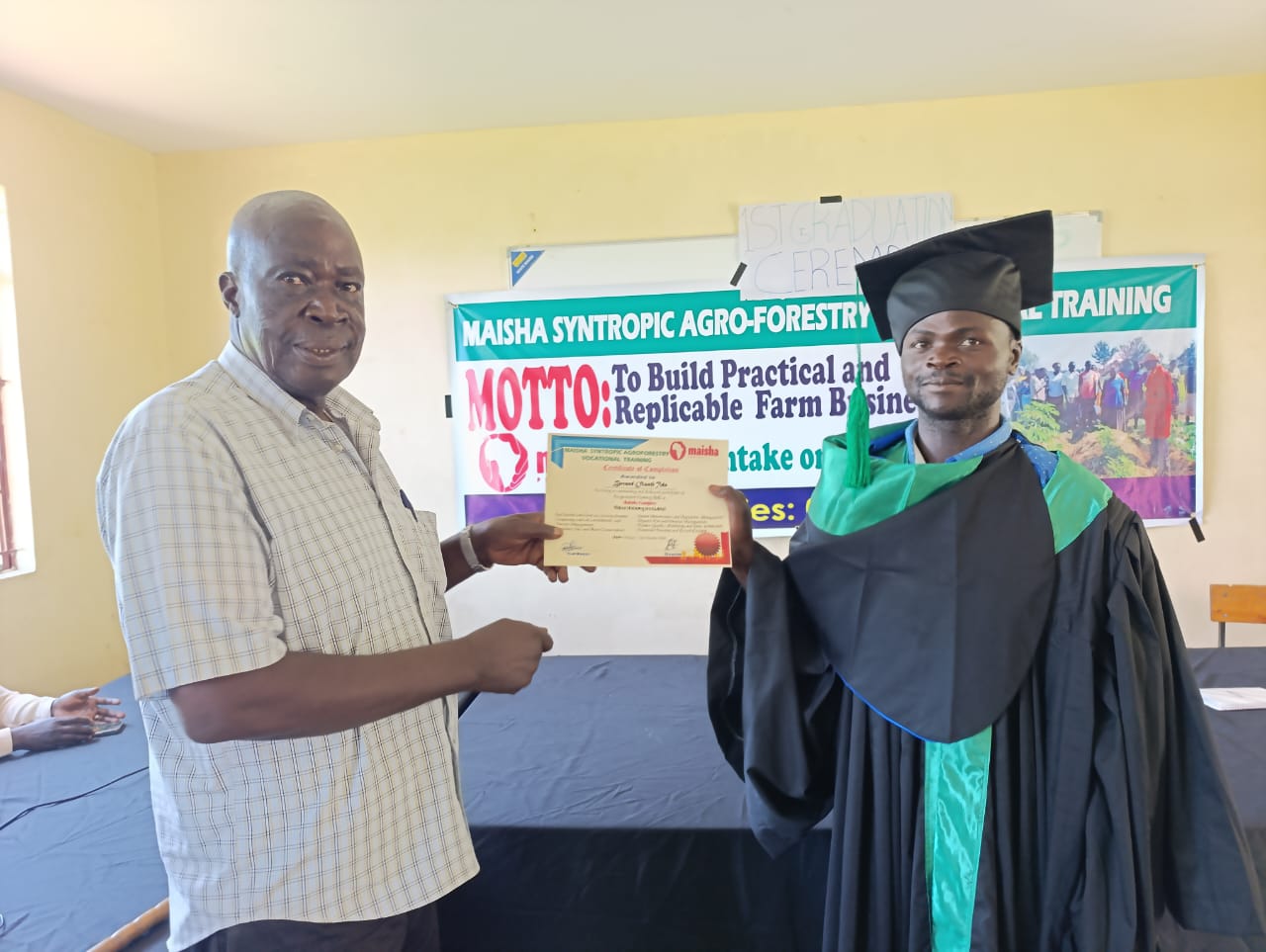
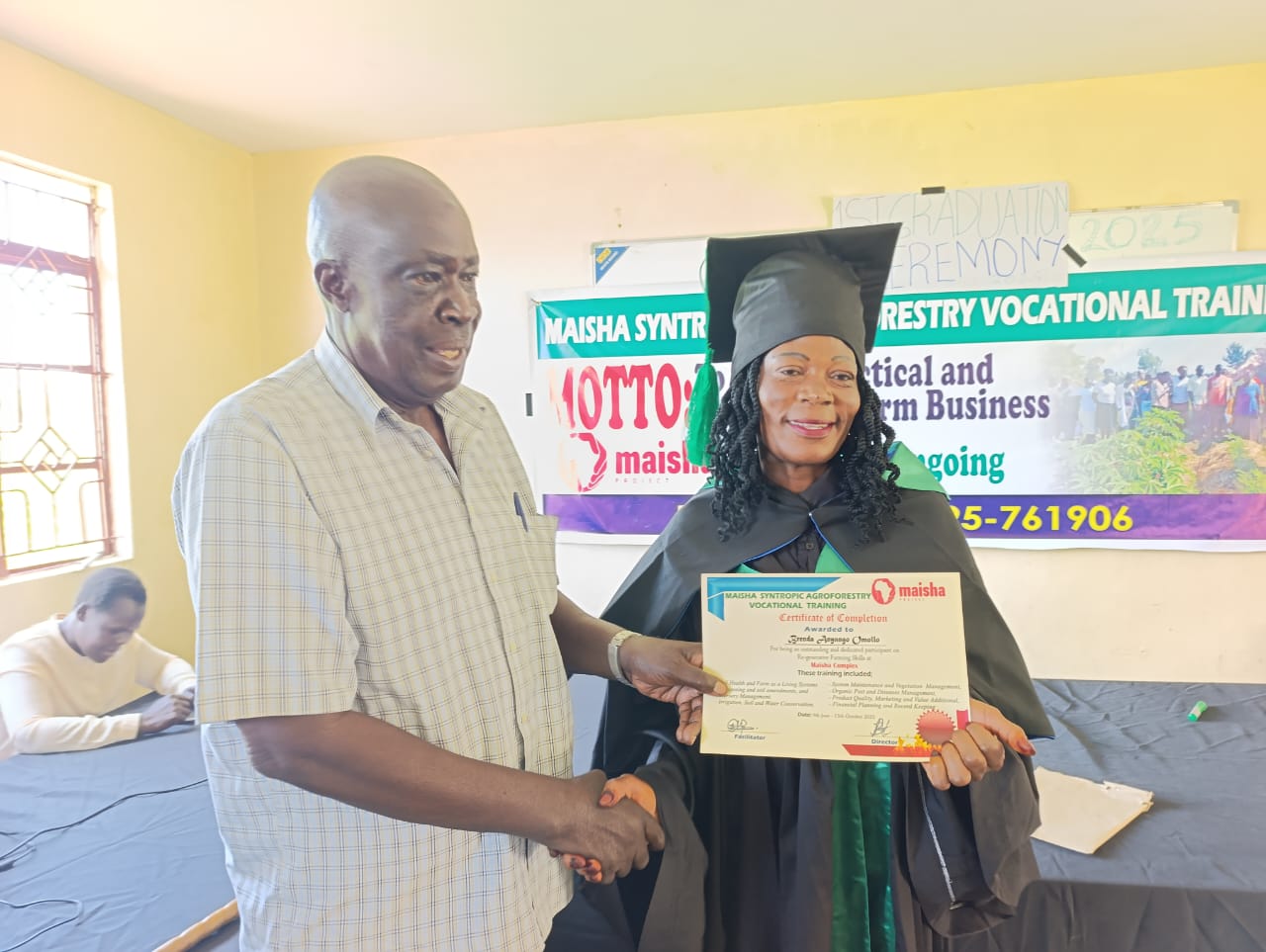
- Prepare a 5-minute final presentation or story Certification and Graduation Ceremony follows